



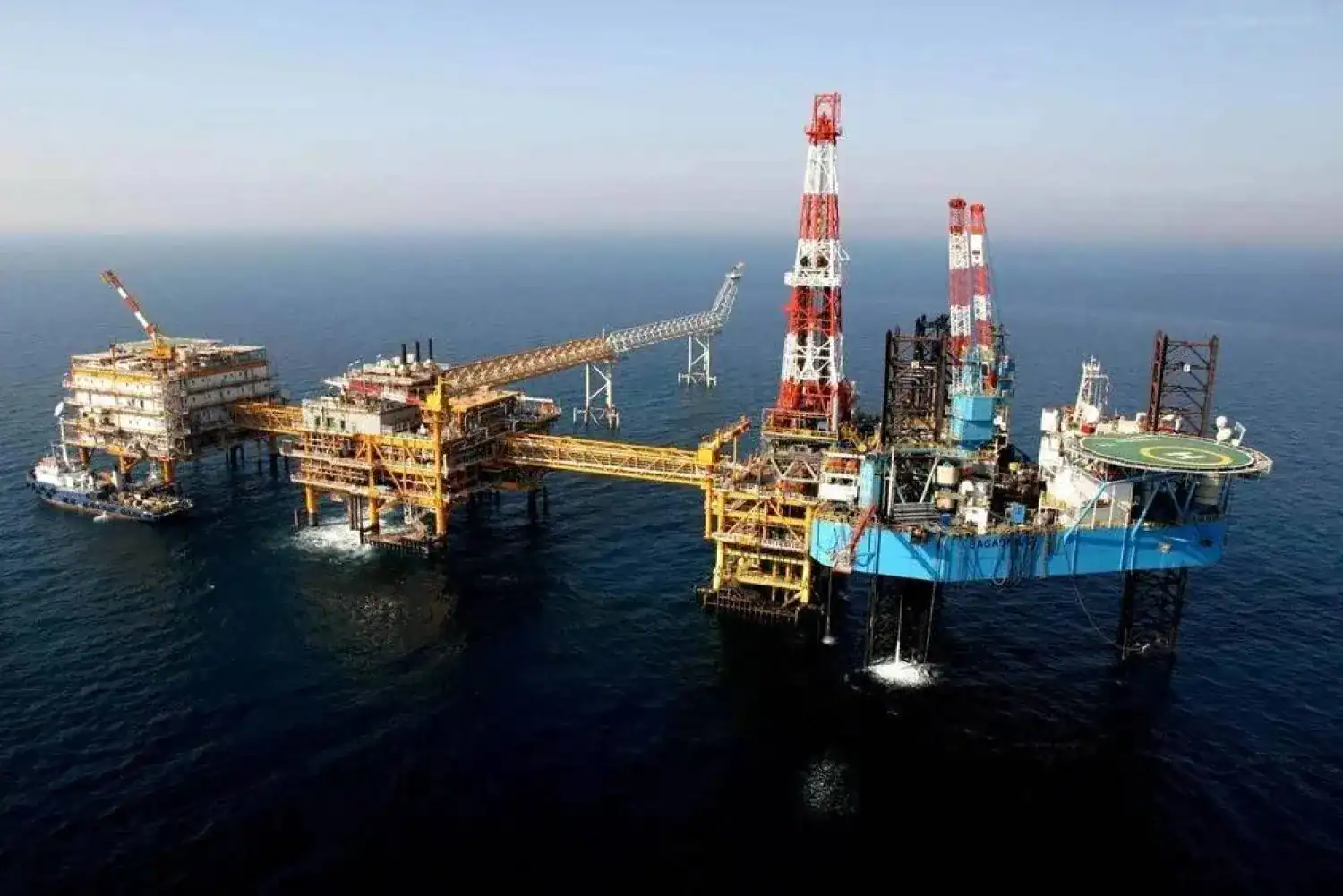
This decision comes as part of a temporary, 30-day waiver from the sanctions imposed on Tehran, limited to oil that had already been loaded onto tankers before the announcement.

Amid mounting turmoil in global energy markets, driven by escalating geopolitical tensions in the Middle East, and following Brent crude’s climb to $112.20 a barrel on Saturday, March 21, 2026, the United States took an exceptional step aimed at curbing this surge in fuel prices by allowing the sale of Iranian oil stranded at sea.

According to the U.S. Department of the Treasury, this decision comes as part of a temporary, 30-day exemption from the sanctions imposed on Tehran. It applies only to oil that had already been loaded onto tankers before the decision was issued and does not include the conclusion of new deals or any increase in Iranian oil production. The move aims to bring additional quantities into the global market quickly, in an effort to ease the pressures that have recently driven a significant rise in prices.
Estimates indicate that the volume of oil covered by the exemption amounts to around 140 million barrels, a quantity that could provide temporary support to global supplies, especially amid growing concerns about a worldwide supply shortage.
Regional tensions have directly impacted oil prices, which recorded significant surges, leading to higher fuel costs in many countries. These developments come amid broader disruptions that include interruptions in some supplies and heightened risks linked to shipping routes—particularly in areas vital for oil transportation. Additionally, threats targeting key strategic sea passages have intensified concerns about the continued flow of supplies to global markets, making market stability closely tied to developments on the ground in the region.
This decision helps temporarily calm prices—at least in the short term—but its impact remains limited, given the ongoing state of geopolitical instability, in addition to the financial restrictions that continue to constrain Iran’s ability to fully benefit from the revenues of its oil exports.
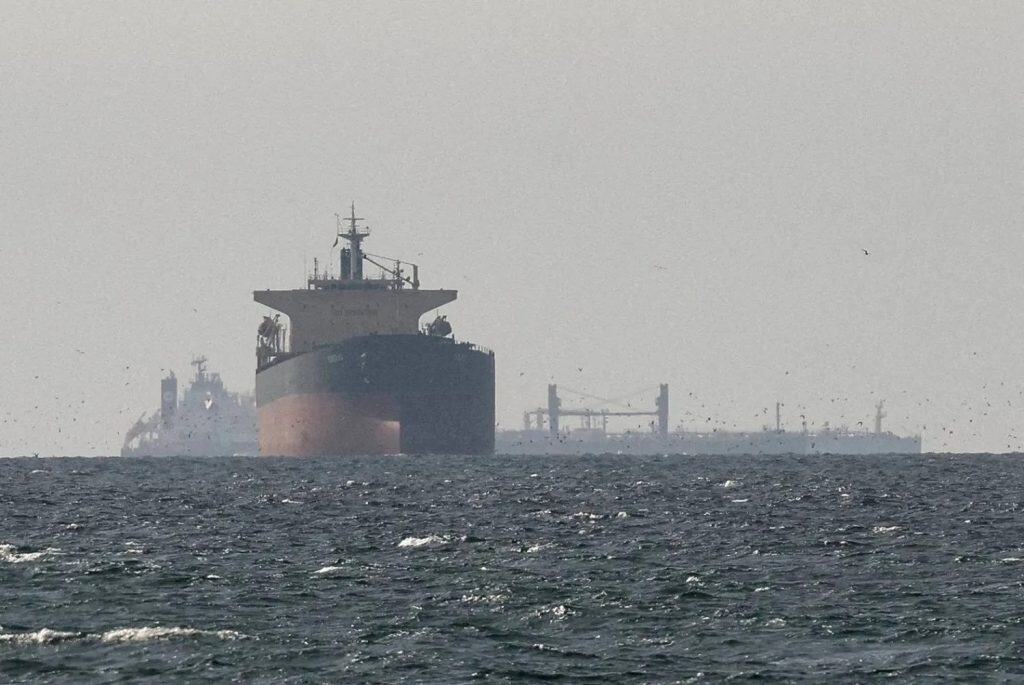
In a related context, this move intersects with broader discussions in Washington about military and economic options to pressure Iran. The U.S. administration is studying scenarios related to Kharg Island, which is considered a vital hub for Iranian oil exports. Among the options being considered are imposing a naval blockade on the island or even seizing it, with the aim of choking off oil exports and forcing Tehran to make concessions, particularly regarding navigation in the Strait of Hormuz.
However, these scenarios carry extreme sensitivity, given the potential risks of direct military escalation, in addition to doubts about their ability to yield decisive results amid the complexities of the regional landscape.
In contrast, Iranian positions show a clear hardening, as reports indicate that Tehran refuses to discuss reopening or securing the Strait of Hormuz while military strikes continue, considering any negotiations under such circumstances impossible.
These developments have been reflected in market movements, with oil prices declining at the close of trading on Friday, March 20, driven by attempts to reassure investors about avoiding attacks on energy facilities.
However, this decline remained limited amid ongoing concerns over potential supply disruptions, indicating that the market remains highly sensitive to any political or on-the-ground developments. In the event of further escalation, we may witness energy prices rising to record levels.
This approach reflects an American attempt to strike a delicate balance between protecting consumers from rising prices and preserving economic leverage tools, at a time when the international landscape is growing increasingly complex and developments in energy markets are accelerating. While this step may help ease pressures in the short term, doubts remain about its ability to achieve lasting stability in the markets.