



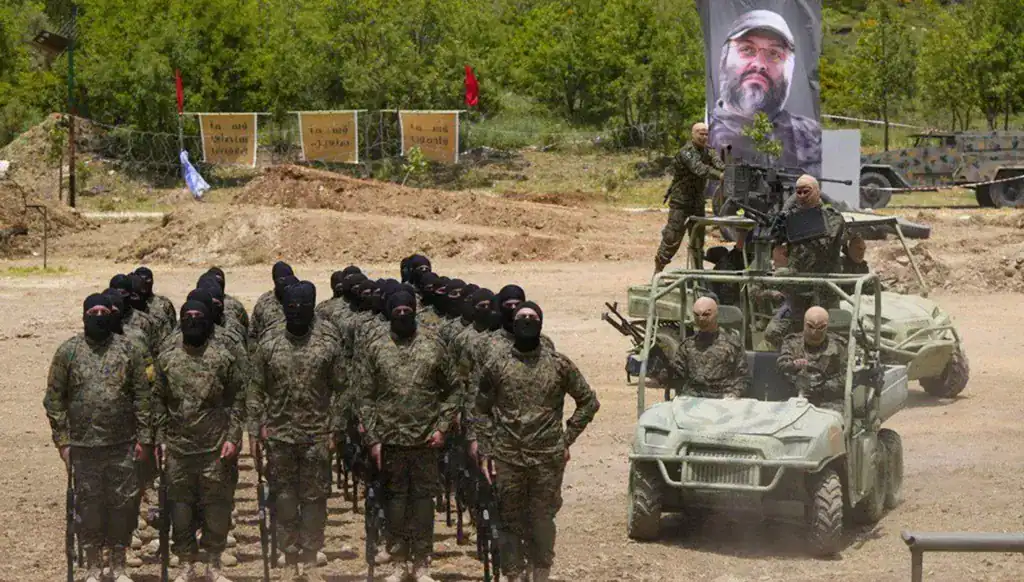
Iranian Revolutionary Guard officers restructured the leadership of “Hezbollah” that had been infiltrated by Israeli intelligence.
Reuters quoted two sources familiar with the activities of Iran’s Revolutionary Guard Corps as saying that it rebuilt Hezbollah’s military leadership after the group suffered a severe blow at the hands of Israel in 2024, filling the gaps with Iranian officers before restructuring the organization and laying out plans for the war it is currently fighting.
This was the first reform of its kind for “Hezbollah,” indicating a shift toward a more pragmatic approach after the blows it suffered during the 2024 war, which led to the death of its former Secretary-General, Sayyed Hassan Nasrallah, along with several other senior commanders, according to the agency.
Iran’s efforts paid off, as it succeeded in restoring “Hezbollah” to its former strength just in time to join the ongoing war in the Middle East alongside Tehran after it came under attack from the United States and Israel.
“Reuters” had earlier reported that “Hezbollah” viewed the outbreak of another war as inevitable and had spent months preparing for it.
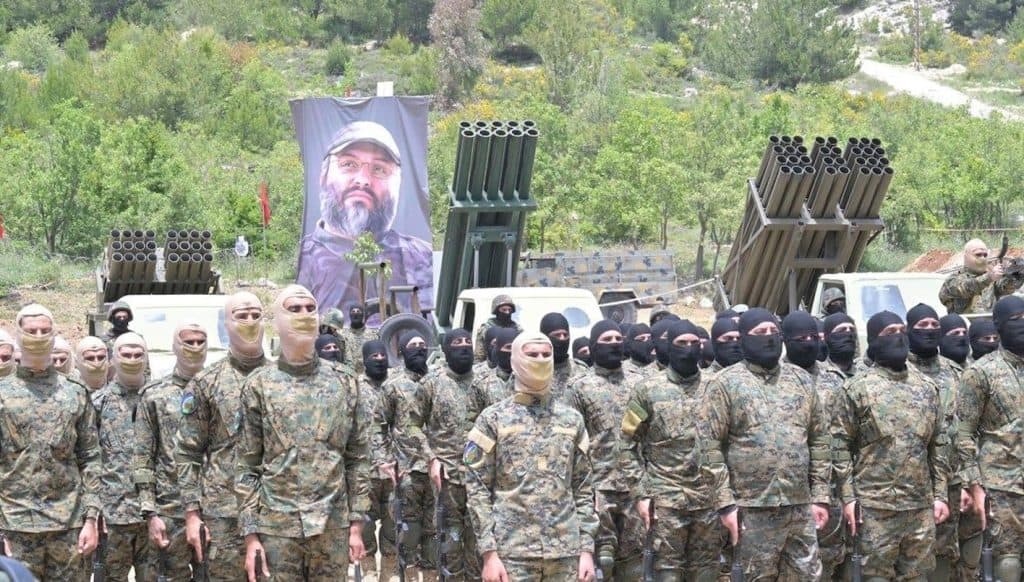
Two sources familiar with the activities of the Iranian Revolutionary Guard said that the Guard, which has been deeply involved with “Hezbollah” since its founding, sent officers to retrain its fighters and oversee its rearmament.

They added that Iranian Revolutionary Guard officers also restructured Hezbollah’s leadership, which had been infiltrated by Israeli intelligence—a factor that helped Israel kill many of the group’s commanders.
An Israeli military spokesperson said on March 12 that “Hezbollah” remains an influential and dangerous force despite the damage Israel has inflicted on it over the past three years.
Netanyahu said in January that “Hezbollah” is making efforts to rearm and rebuild its infrastructure with Iranian support.
Deconstructing the Hierarchy
The two sources said that the Iranian Revolutionary Guard officers assigned to help the party recover arrived shortly after the ceasefire in November 2024 and began their work even as Israel continued its airstrikes.
One of them said that the deployment involved around 100 officers.
The changes implemented at their request included replacing the hierarchical command structure with a decentralized one, composed of small units with limited knowledge of each other’s operations, thereby helping to maintain operational secrecy.
They said that officers of Iran’s Islamic Revolutionary Guard Corps also drew up plans to launch simultaneous missile attacks on Israel from both Iran and Lebanon—a scenario carried out for the first time on March 11.
A senior Lebanese security source said that Iranian leaders had assisted the party in rehabilitating and reorganizing its military cadres. He added that he believes the Iranians are helping Hezbollah in waging the current conflict rather than engaging in the details of target selection.
Another informed source said that the Iranian Revolutionary Guard sent officers to Lebanon in 2024 to conduct an assessment of the party after the war and took direct supervision of its military wing.
Two other sources said that the Revolutionary Guard sent special advisers to “Hezbollah” last year to help it manage its military affairs.