



The U.S. Food and Drug Administration (FDA) has approved the drug “Ziftomenib” for the treatment of acute myeloid leukemia (AML) in patients whose disease has returned after treatment or who did not respond to previous therapies. This achievement comes as the result of many years of scientific research led by scientists from the University of Virginia and represents an important step forward in improving treatment prospects. The drug works by disabling a key protein that contributes to cancer cell growth and reprogramming the cells to become healthy white blood cells instead of malignant ones. This breakthrough offers a glimmer of hope for patients who have exhausted all traditional options, underscoring the importance of continued scientific research in developing new and more effective treatments.
A new drug marks a breakthrough in the treatment of acute myeloid leukemia
A new drug has received official approval for the treatment of one of the most severe forms of leukemia, offering renewed hope to patients who have not responded to standard therapies.
Scientific breakthrough after years of research

This development is the result of many years of scientific research led by scientists at the University of Virginia, marking an important milestone that could make a meaningful difference in the treatment of acute leukemia.
Official Approval of an Innovative Drug
Last November, the drug “Ziftomenib” received approval from the U.S. Food and Drug Administration (FDA) for the treatment of patients with Acute Myeloid Leukemia (AML) who:
the disease returned after treatment,
or did not respond to previous treatments,
or carry a mutation in the NPM1 gene.
What is Acute Myeloid Leukemia?
Acute myeloid leukemia is considered one of the most serious types of blood cancer because:
It primarily affects older adults, especially those over the age of 68.
More than 22,000 cases are diagnosed annually in the United States.
It causes more than 11,000 deaths each year.
Forecasts suggest that these numbers could decline as new treatments become available.
How does the new drug work?
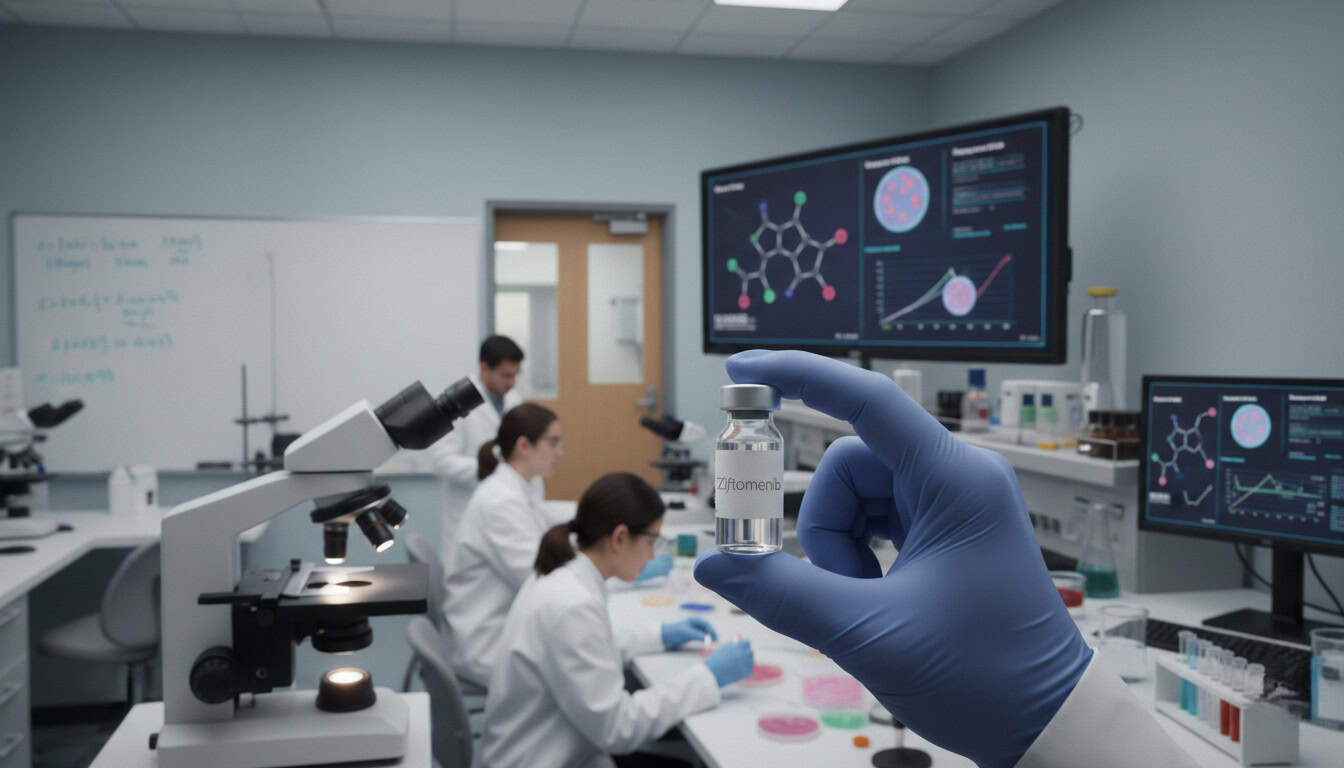
Ziftomenib belongs to a class of targeted therapies known as “Menin inhibitors,” which work by:
Disabling a key protein that contributes to the growth of cancer cells.
Reprogramming the cells to turn into healthy white blood cells instead of cancerous ones.
This treatment differs from traditional chemotherapy because it precisely targets the molecular cause of the disease.
A Scientific Journey Spanning Two Decades
The development of this drug began about 20 years ago with researchers Tomaz Sierpicki and Jolanta Grzymeka, who previously worked at the University of Virginia and now hold academic positions at the University of Michigan. The project started as a dream during their studies in Poland before evolving into serious scientific research and eventually into an approved medication that saves patients’ lives.
Promising Results for Patients
According to the researchers, the drug has shown remarkable results, as:
Some patients entered a state of remission after just one treatment cycle.
Their condition improved despite the failure of several previous treatments.
This achievement represents a crucial opportunity for patients who previously had no effective treatment options.
The Importance of Discovery in Modern Medicine
This medication highlights the vital role of academic research in developing new treatments, especially for diseases that may not attract sufficient attention from the industrial sector. It also emphasizes the importance of:
Long-term investment in scientific research.
Collaboration between universities and medical institutions.
Developing targeted therapies based on genetic understanding.
Future Prospects
This achievement reinforces the motivation to continue developing similar treatments, as researchers are working on:
Enhancing the effectiveness of current medications.
Expanding its use to other types of cancer.
Developing more precise treatments with fewer side effects.
The approval of Ziftomenib represents a major advancement in the treatment of acute myeloid leukemia, providing real hope for patients who have exhausted traditional options and reaffirming that continued scientific research can transform hope into reality.