




The 98th Oscars ceremony, held on March 15, 2026, at the Dolby Theatre in Hollywood, saw a relatively low audience turnout, attracting about 17.86 million viewers—a 9% drop from last year—marking the lowest figure since 2022.
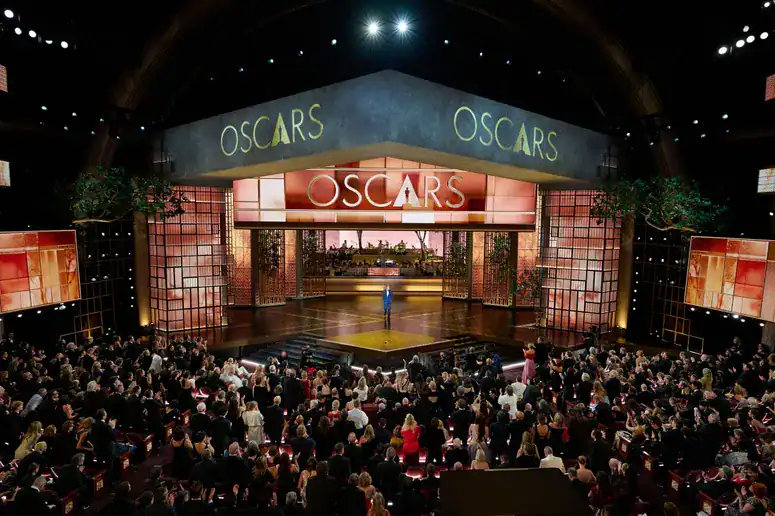
The ceremony was hosted for the second time by Conan O’Brien and was broadcast live on ABC, with a simultaneous stream on Hulu, to honor the best films of 2025.
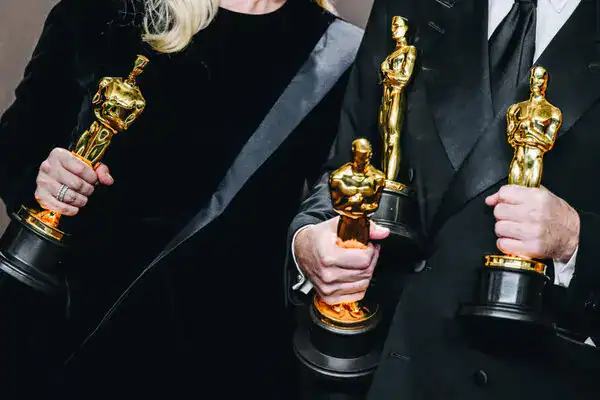
The film *One Battle After Another* won six awards, including Best Picture and Best Director for Paul Thomas Anderson, while *Sinners* received four awards, among them Best Actor for Michael B. Jordan and Best Original Screenplay for Ryan Coogler. Jessie Buckley also won Best Actress for her performance in *Hamnet*, while *KPop Demon Hunters* took home the award for Best Animated Feature.
Observers noted that the winners’ speeches, artistic performances, and Conan O’Brien’s comedic segments were standout moments, but technical glitches and some sound issues may have contributed to the decline in viewership. The competition with the World Baseball Classic semifinals, as well as modern viewing habits such as digital streaming and the reduction of traditional TV subscriptions, also played a role.

Over the years, the Oscars have experienced significant fluctuations in viewership, influenced by factors such as the charisma of the host, the strength of the winning films, standout cultural moments, timing, promotion, and the diversity of nominees. The highest viewership levels occurred in the 1990s and early 2000s, when television broadcasting dominated the landscape and major films became shared cultural events.
Notable Recent Viewership Figures:
2025 (97th Oscars): 19.4 million viewers – Host: Jimmy Kimmel – Best Picture: Anora
2024 (96th Oscars): 19.7 million viewers – Host: Jimmy Kimmel – Best Picture: Oppenheimer
2021 (93rd Oscars): 10.4 million viewers – no host – Best Picture: Nomadland
Forecasts for 2026 suggest the possibility of some improvement if viral moments emerge that capture the attention of social media audiences, despite the ongoing challenges of modern viewership.