



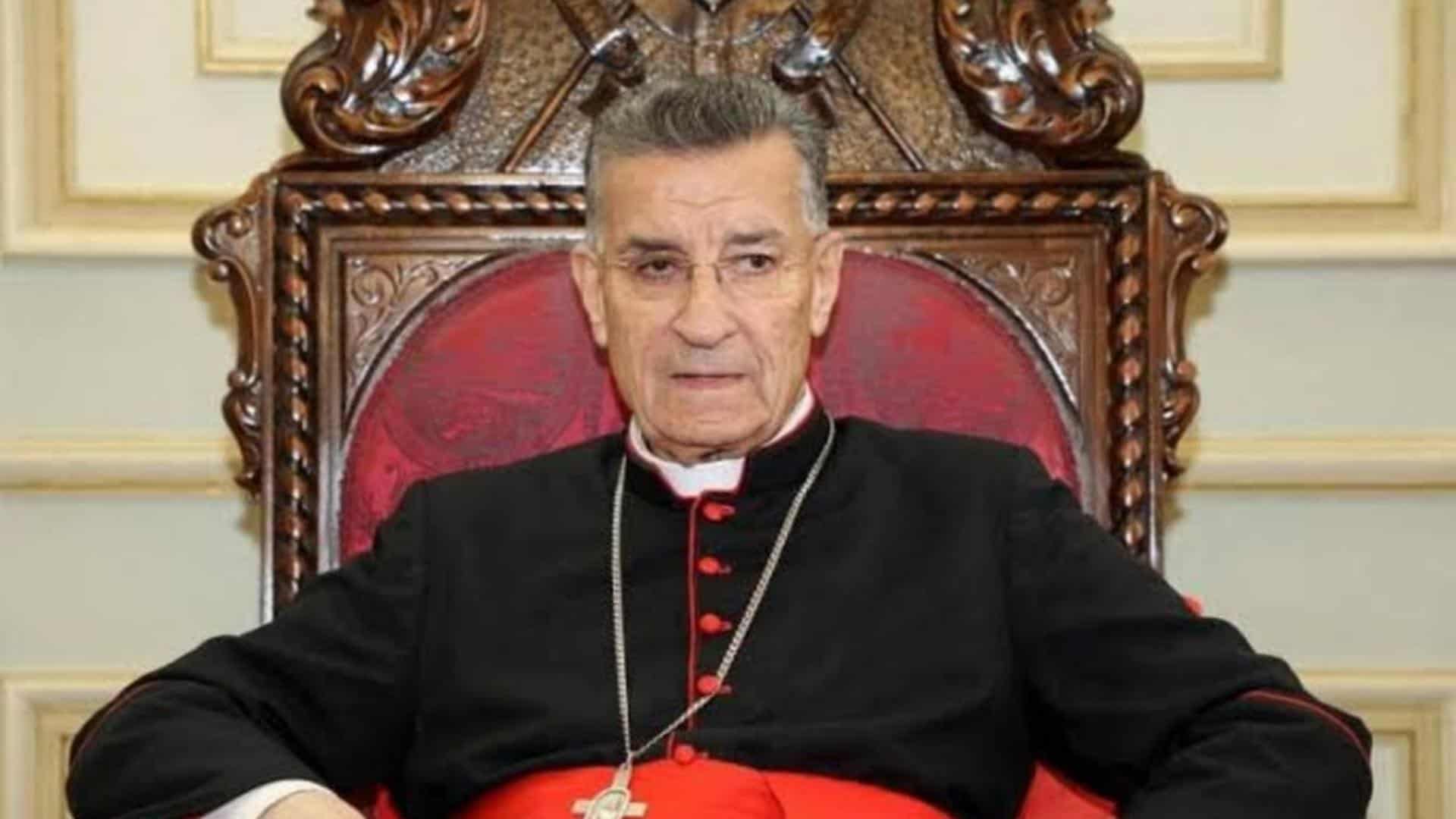
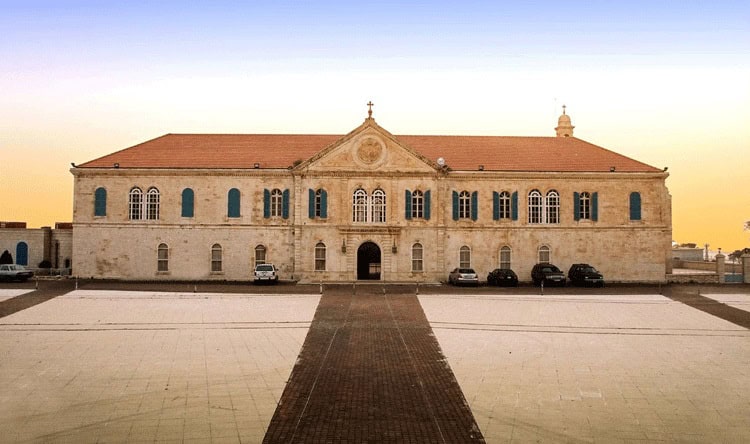
Maronite Patriarch Cardinal Mar Bechara Boutros Al-Rai received U.S. Ambassador Michel Issa at the patriarchal seat in Bkerki. The meeting included a discussion of the latest developments on the Lebanese scene, particularly regarding the situation of residents in southern border towns and the need to exert efforts to ensure their safety and their continued presence on their land.
Patriarch Raï emphasized “the urgent need to stop the war immediately and put an end to the suffering of the displaced, who are losing the fruits of their lifetime’s work and enduring the hardships of their forced displacement from their properties and land,” reminding that “the ideal solution for a prosperous Lebanon — a Lebanon of coexistence and peace — is positive neutrality alone.”
Jesus said after the meeting: “I met with His Beatitude the Patriarch, who asked me to come because he cares deeply about preserving Lebanon’s safety. He is trying, together with all those whom he believes may have influence over this war, to ask them: what is the way forward? He carries the concern of Lebanon in his heart—its people who are being displaced, and how to stop this war.”
He continued: “As the representative of the United States of America, we care deeply about achieving peace in Lebanon and ensuring that Lebanon remains independent. I told him that I will do my best to achieve this goal. The concern that we share—His Beatitude and I—is one and the same. We will try to stop the war in Lebanon and urge all officials here to make the decisions that help reach this solution.”

Regarding the President’s initiative to negotiate with Israel, he noted that “we recognized the importance of the matter for the President and his responsibility in deciding whether to meet with the Israelis, since issues cannot be resolved without give and take, and everyone has their own perspective on such meetings. I believe that Israel has decided not to stop its strikes, which means that Lebanon must determine whether it can meet with the Israelis under these circumstances. However, in my view, you cannot achieve peace without engagement and meetings.”
Regarding the residents of the border villages, Issa revealed that “at the moment I met with His Beatitude, I told him: before you ask me, I will tell you that we asked the Israelis to spare the Christian villages in the south, and we were informed of their decision that they would not strike the Christian villages. However, at the same time, they said they could not guarantee this if any infiltration into these villages were to occur. We asked the Lebanese Army to keep a unit stationed in the heart of these villages to protect and monitor them. For now, things are fine, but how matters will develop, we do not know.”
Regarding the end of the war in Lebanon, Issa indicated that he does not discuss President Donald Trump’s decision on war in Iran, saying, “I, like all of you, am waiting to see what will happen in Iran.”
In response to a question about the U.S. assessment of the performance of the Lebanese Army, the ambassador said: “We are aware of the army’s capabilities, and we know that it has the capacity to act when it decides to do what it is required to do. At the same time, we’re not living on the moon—we realize that everyone has certain limits. But fundamentally, the army must carry out its duties, and for now, we are waiting.”
Army Commander
Then Patriarch Al-Rahi met with the Army Commander, General Rudolf Haeikal, who briefed him on the army’s field and military situation.
The Patriarch praised the role of the army and all the security forces “in ensuring the safety of the Lebanese people and preserving their cohesion and unity,” emphasizing “the importance of supporting the military and security institutions and rallying around them,” while urging “the external supporting parties to provide the necessary assistance to the army so it can carry out its assigned missions.”
Meetings
The Patriarch also met with the President of the “Friends Association,” Ria Nasr, who headed a delegation, followed by the Maronite Bishop of Antelias, Antoine Abi Najm, and the Lebanese missionary Father Jean Klaksh. The discussions focused on the importance of scouting coordination amid the difficult circumstances Lebanon is going through.
Then the Maronite Bishop of Tripoli, Bishop Youssef Soueif, was received. He conveyed to him the atmosphere of the spiritual gathering he had called for, which brought together the spiritual leaders of the North, who emphasized “the necessity of adhering to national unity, which protects Lebanon from any dangerous slide.” Soueif also discussed matters concerning the diocese and the mechanisms it has put in place to follow up on the situation of the displaced from the South, noting “the support campaign launched by the diocese to provide assistance under these painful circumstances.”