




The Engineers’ Committee of the National Liberal Party expressed its concern over the repercussions of the circulating reports about the cement plants in Chekka moving toward closure, both economically and socially, at a time when Lebanon needs to strengthen production, not hinder it.
The statement said: “This sector constitutes a fundamental pillar for any economic recovery or anticipated reconstruction, which makes the proposal to shut it down today a move that raises more than one question—especially given the factories’ readiness to comply with required environmental standards.” It asked: “Where is the comprehensive environmental approach in this issue? Where is this approach when it comes to the ongoing waste crisis? Where is it regarding the sewage being dumped into the sea? Where is it in relation to the industrial pollution present in more than one region? And where is it with respect to the pollution of rivers and water sources? Are the same standards being applied to all institutions, or is there a selective approach being taken toward this sector alone?”
The commission warned of further and tangible repercussions, noting that “the shutdown of the ‘Sabaa’ and ‘Holcim’ cement plants will lead to a severe shortage of cement in the markets, which will significantly drive up prices and impede reconstruction efforts and the work of engineers and contractors in the coming weeks—thereby increasing the burden on the economy and citizens, and weakening any efforts toward reconstruction.”
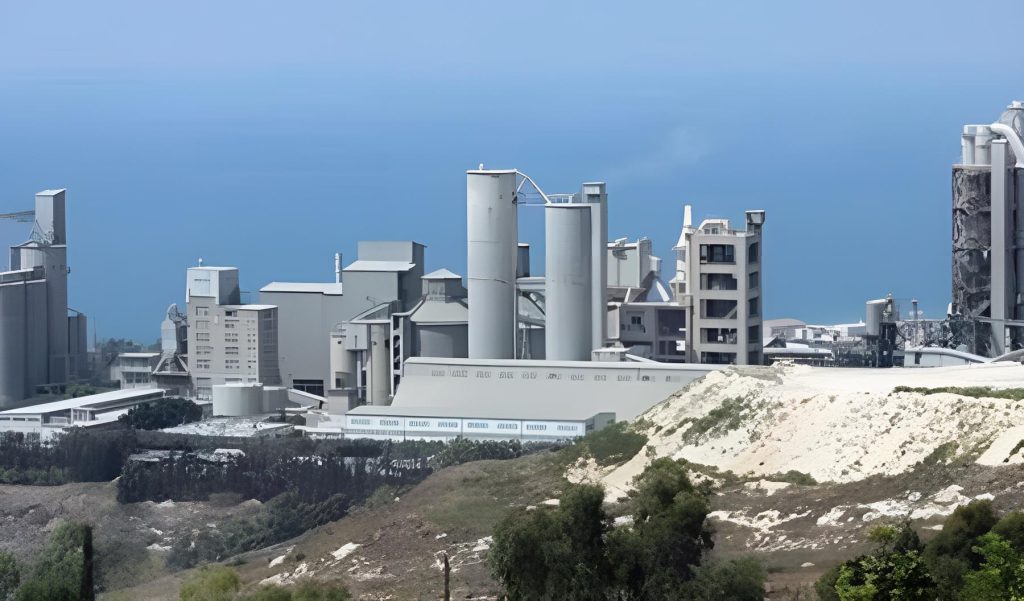
She emphasized that “protecting the environment remains a non‑negotiable priority; however, it cannot be built on fragmented or selective decisions, but rather on a comprehensive scientific vision that balances environmental requirements with the continuity of the economy. How, then, can the closure of factories in the North be justified, while other plants continue operating without being held to the same standards?”

The committee called on the relevant authorities to “clarify the scientific and legal grounds on which this approach is based, and to act swiftly to find solutions that ensure the continuation of work within environmental frameworks, instead of pushing toward closure and the repercussions it would have on workers and residents of the area.” It also urged the Orders of Engineers in Beirut and Tripoli, the Contractors Syndicate, and the concerned bodies to “take immediate action to place this issue within its proper scientific context and to prevent any unbalanced approach that could endanger a vital sector at this critical stage.”
And it concluded: “What is needed today is not closure, but organization—not paralysis, but responsible management founded on justice and uniform standards for all.”